Home › Methodology
How we test photo restoration
This page is the standard behind every claim on this site. We restore real damaged photographs, sourced from public archives, through the same pipeline you use, and we publish the results unedited, including the failures and the cases where the model invents. When we compare tools, the same photos and rules apply.
Our bias, stated plainly
PicFix is our product. Anything on this site that judges restoration quality involves something we sell, and you should read it with that in mind. Two commitments keep us honest. Every test result is published, with the embarrassing ones given equal billing. And if you find an error anywhere on this site, an outdated price, a claim our own evidence contradicts, tell us through the support page and we will correct it and note the correction.
The test set
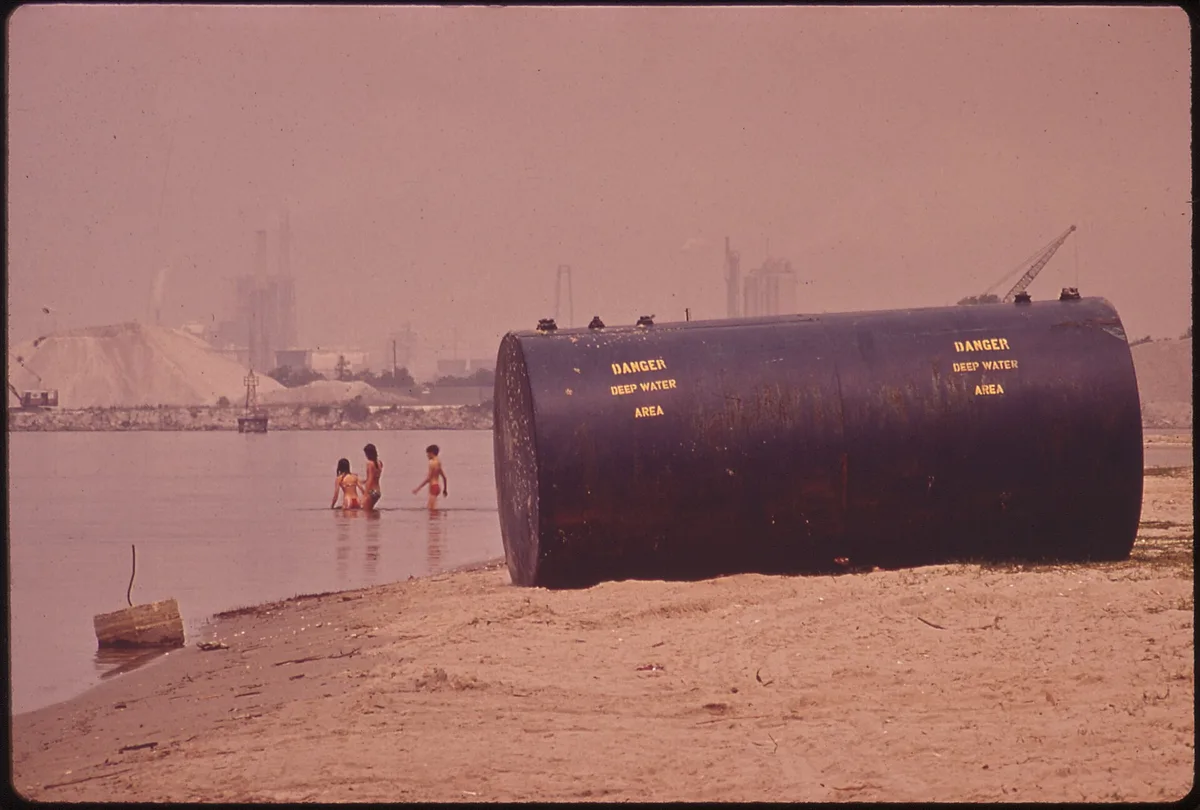
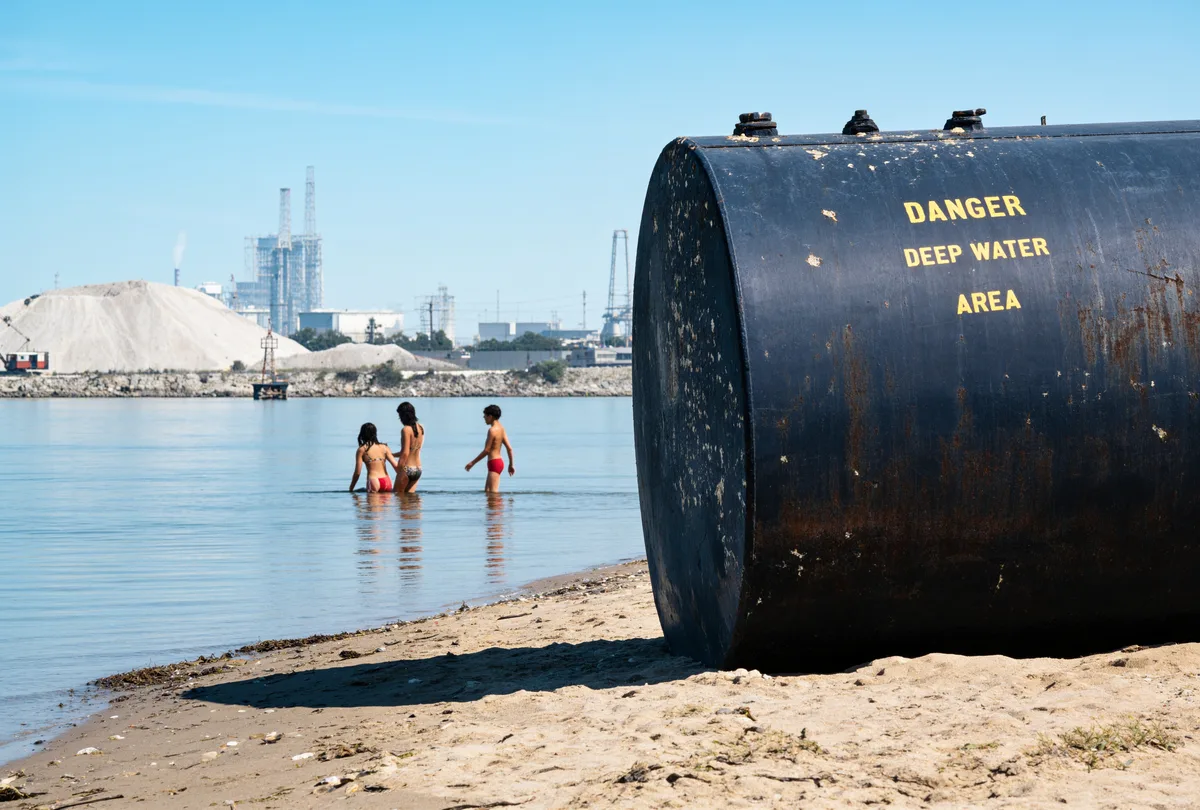
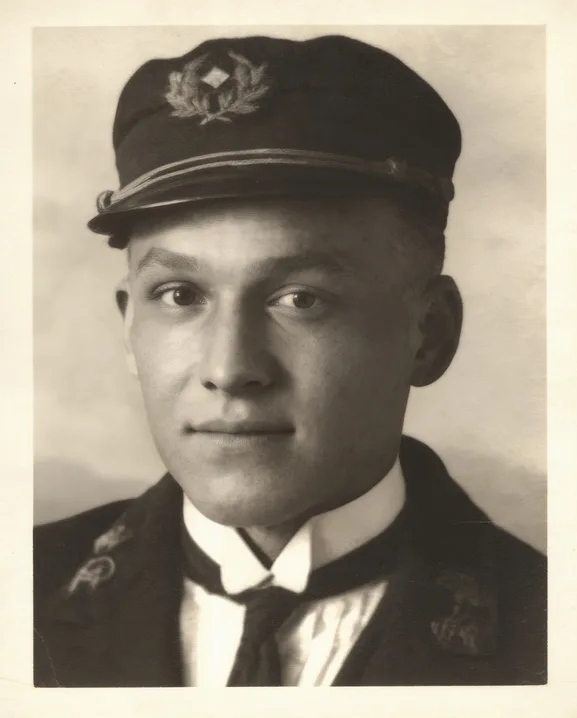
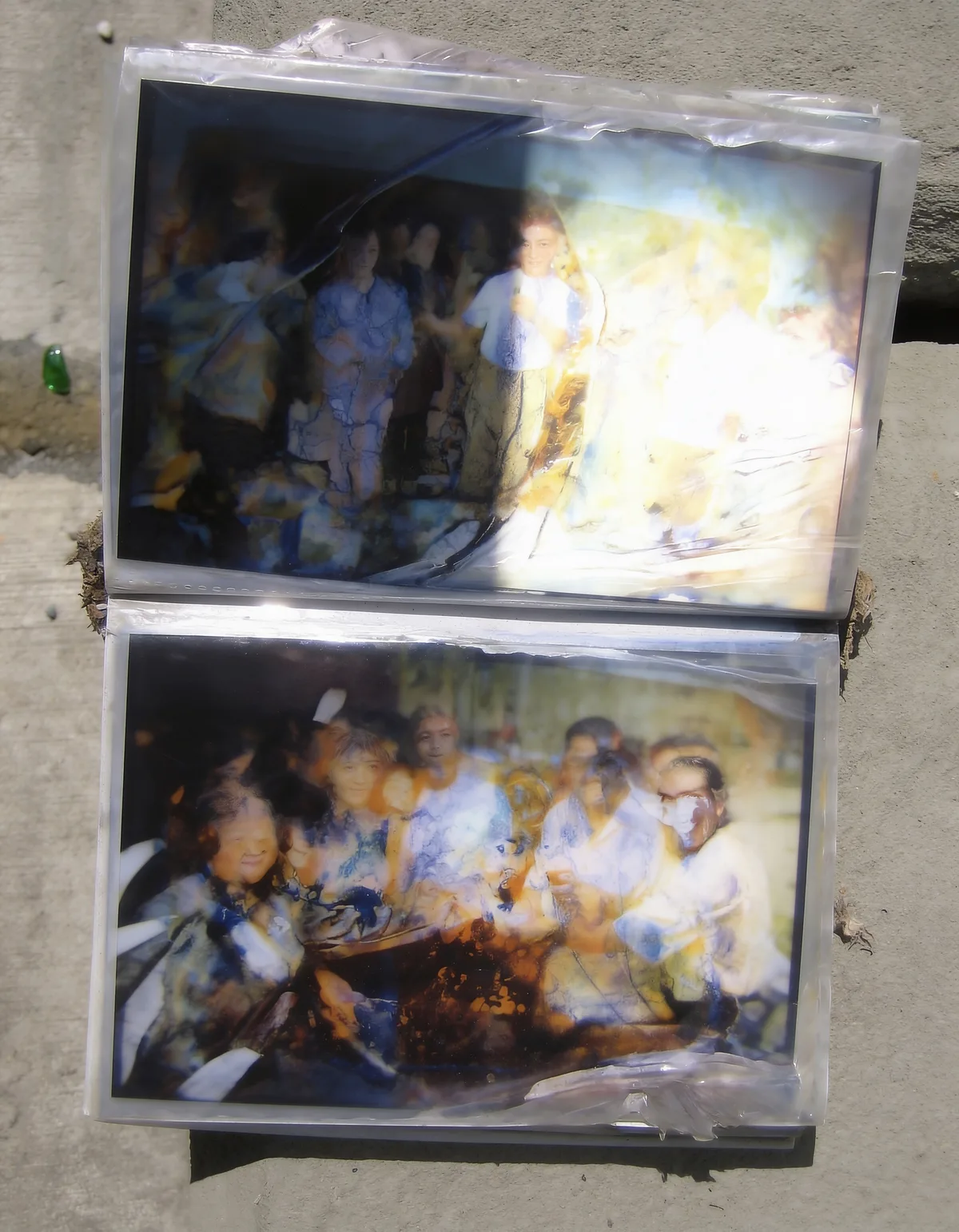
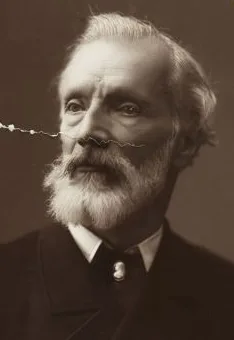
Our corpus is built from photographs with real damage, never staged: prints recovered after Hurricane Katrina, chemically faded slides from government archives, scratched and torn portraits spanning the 1850s to the 1990s. All of them come from Wikimedia Commons damage collections, under public domain or Creative Commons terms, credited beneath each exhibit. Each one goes through the production PicFix pipeline at default settings, one pass, and the outcome gets published whatever it is. Nothing here was rerun until it looked good.
How we grade
| Grade | Meaning |
|---|---|
| Recovered | The picture survived in the print and came back faithfully: same people, same framing, same scene. |
| Partly reconstructed | Repair plus plausible fill where pieces were missing. Fine for backgrounds; check any face near the damage. |
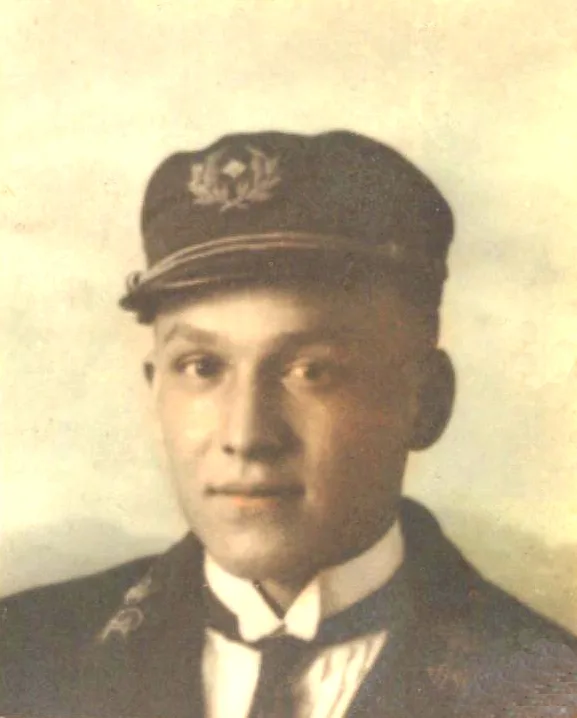
| Invented | Too little survived, so the output imagines a picture. It can look excellent while showing people who were never there. |
| Drift | The framing or the content changed: a tighter crop, an altered pose. We count this as a failure even when the result is handsome. |
| Blocked | The safety checker refused the photo. Happens occasionally with archival material. |
Grading is a per-photo review of the pair at identical sizes, which is also how every comparison on this site is displayed. A zoomed or cropped "after" can smuggle in flattery; equal pixels keep the comparison honest.
What recovery looks like
Where restoration ends
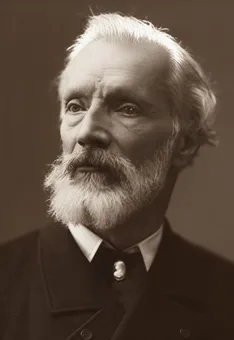
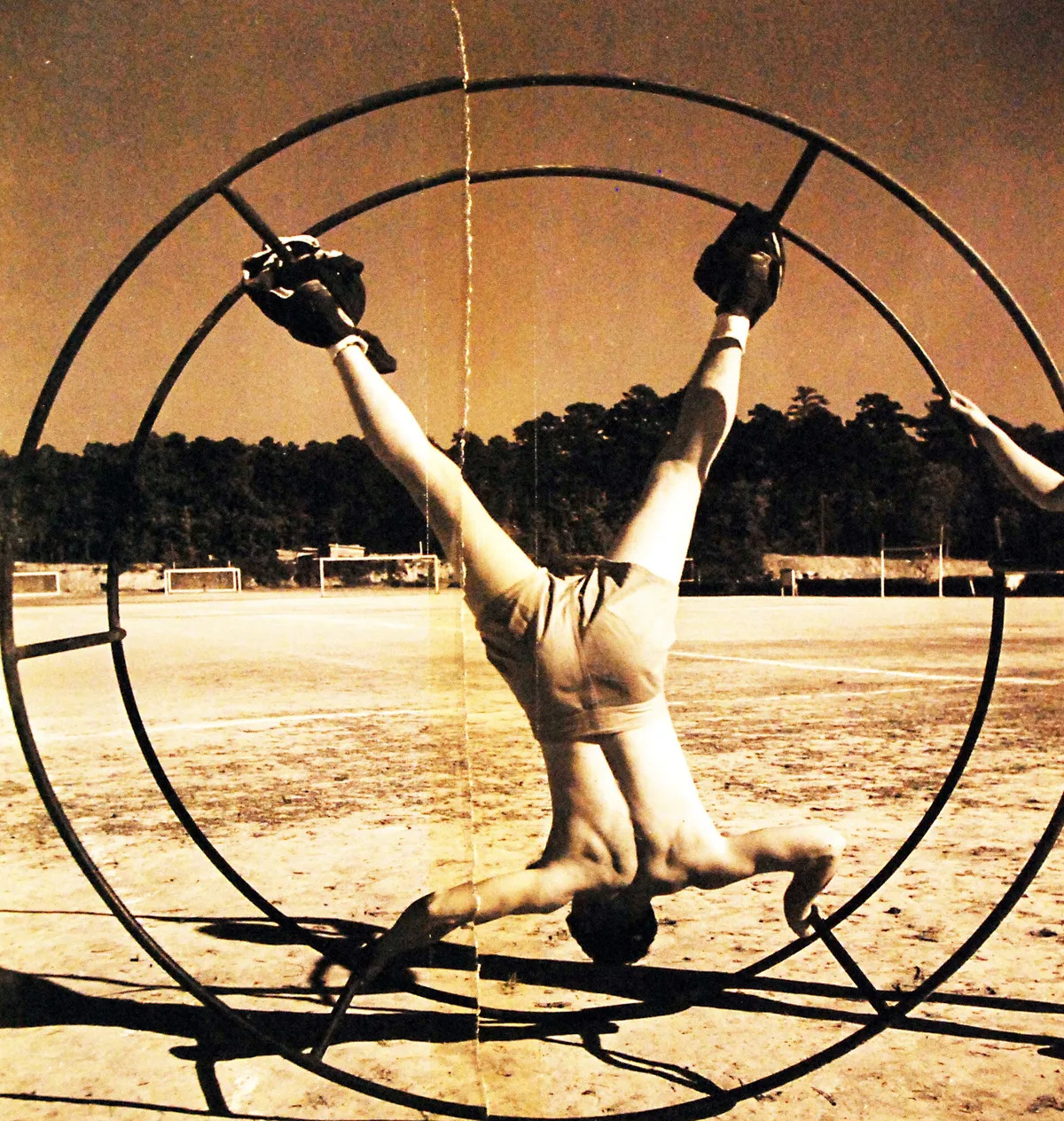
Restoration works with what survives. When almost nothing survives, a
model this capable does something you should know about before you
trust any tool, ours included: it fills the frame with an imagined
picture.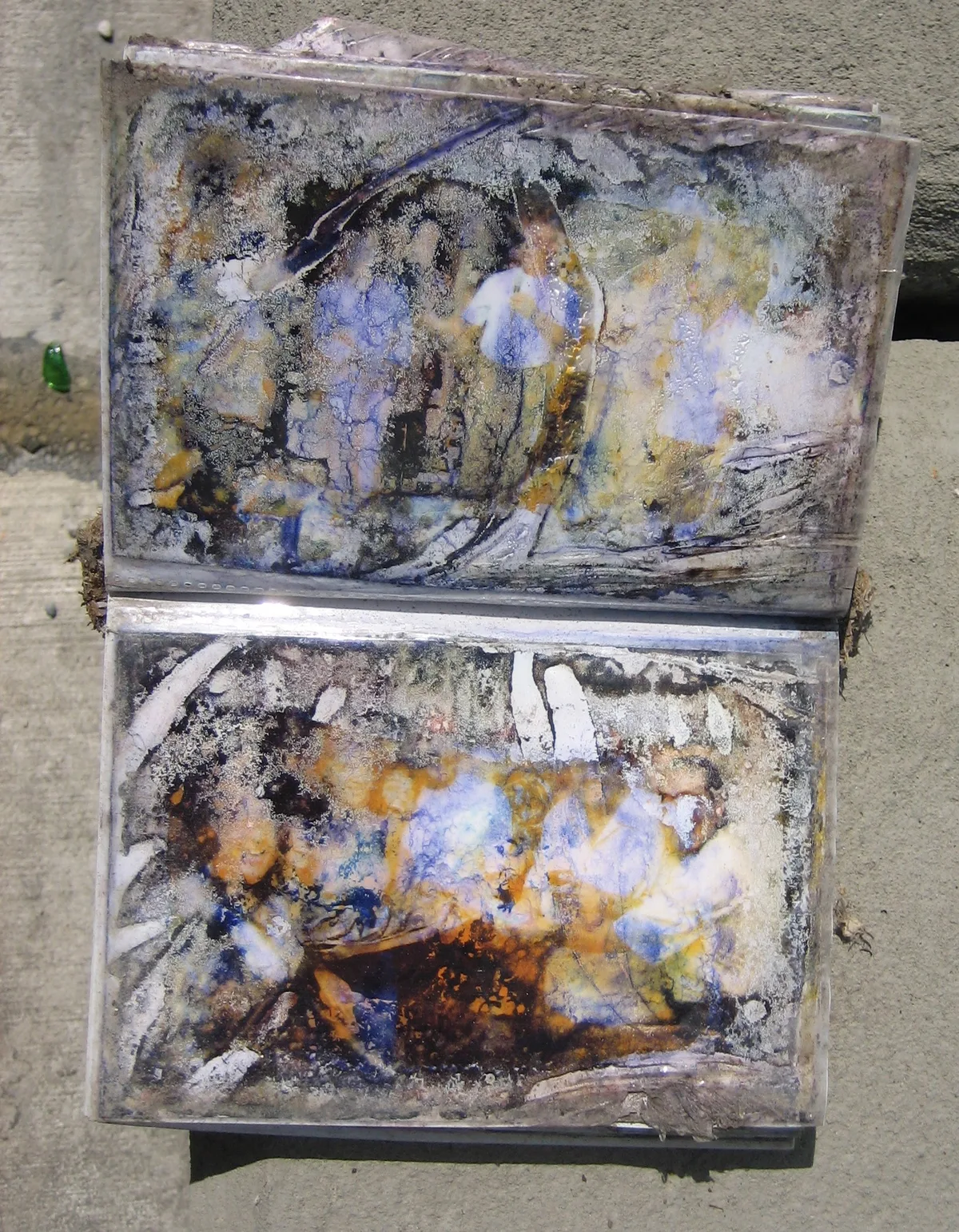
Known limits today
- Total loss produces invention. Where emulsion is gone, every tool on the market guesses; ours guesses in high resolution. Keep the original and treat such output as an artist's impression.
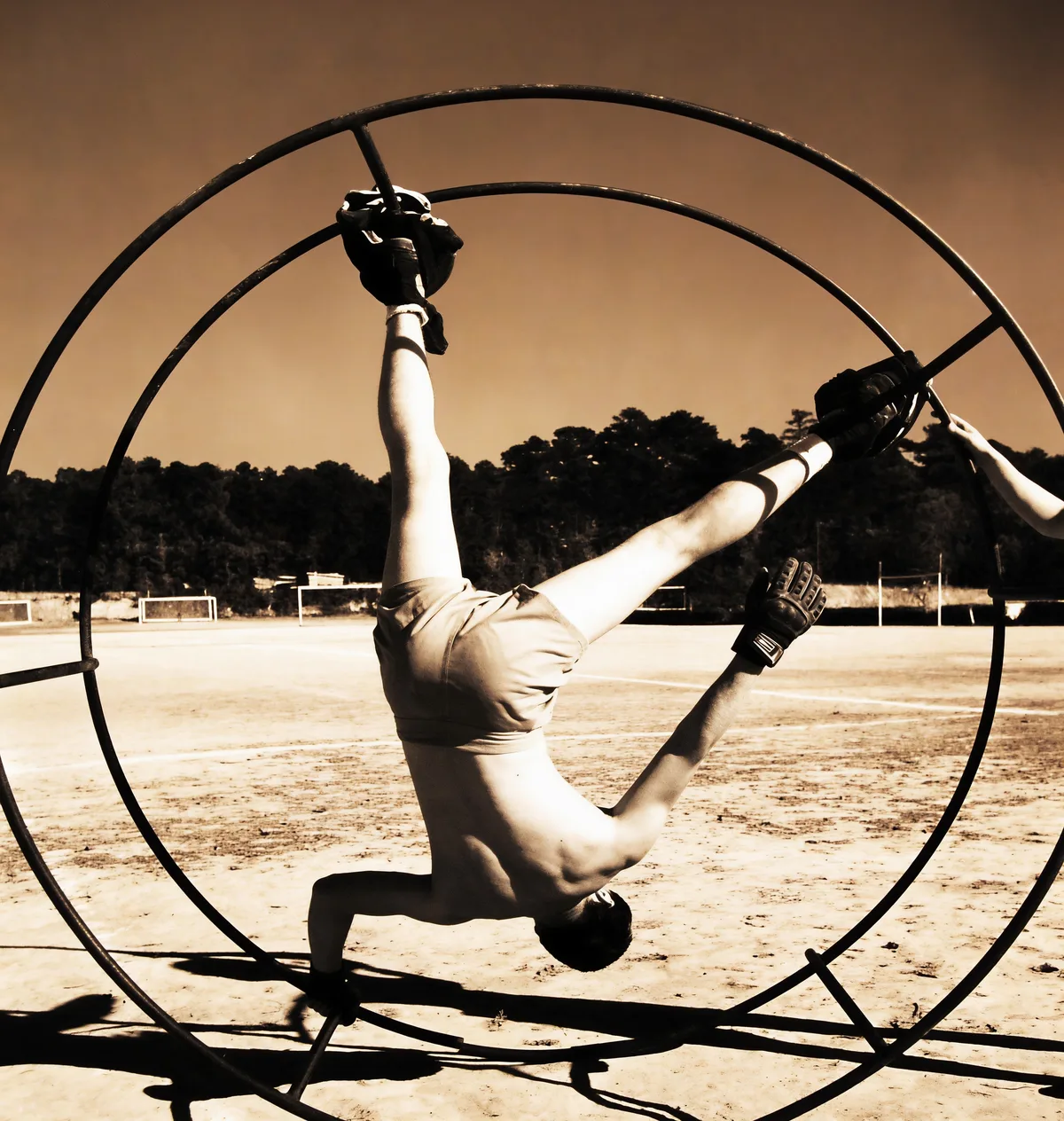
- Severe color fade can read as monochrome, and the output comes back sepia. Rerunning usually resolves it; we are also tightening the color-mode handling.
- Framing and content drift happens occasionally. We are building automatic drift detection that retries the job before you ever see it.
- The safety checker sometimes refuses archival photographs it misreads. A different crop of the same print usually passes.
- Your original file is never altered, and every result arrives next to the original with a slider, so you can run this same review on your own photo.
The standard for comparisons
When this site publishes tool-against-tool comparisons, they will follow the rules above with no exceptions: the same damaged photos through every tool, default settings, prices paid out of pocket, results shown at identical sizes, and the misses published next to the hits. Until a comparison meets that bar, we do not publish a verdict.
Corrections
Found something wrong here? Tell us through the
support page. We correct the page, date the
correction, and re-run affected tests when the pipeline changes in any
way that could alter a published result. No download. Photos are deleted from our servers after processing.